





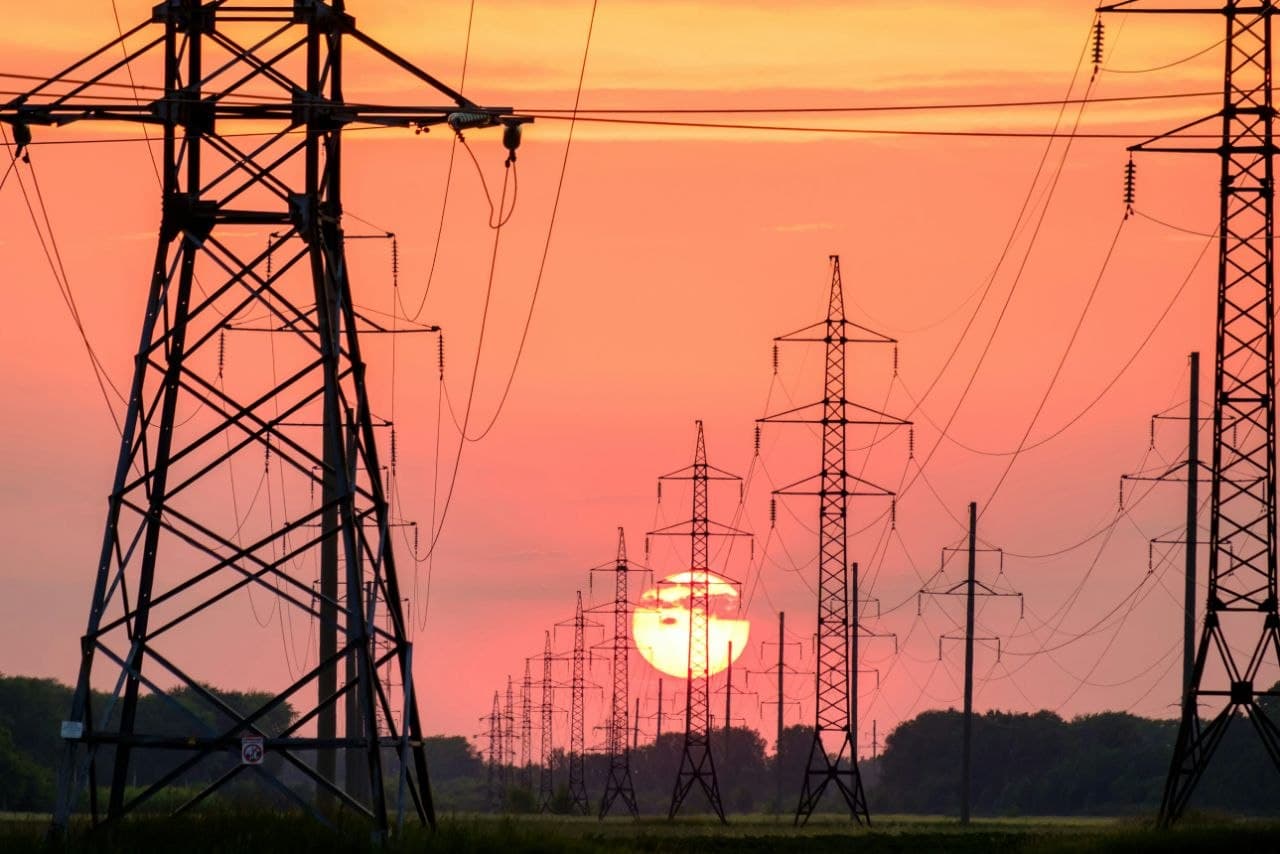
India’s plan to expand installed power capacity to 1,121 GW by FY36 is not just an energy-sector target. It is a long-horizon infrastructure signal. With peak electricity demand projected to rise to 459 GW by 2035-36, the country is preparing for a materially larger, more complex, and more capital-intensive power system.
The article highlights a structural shift rather than a short-term policy announcement. Future electricity demand is expected to be supported by industrial growth, urbanisation, electrification, data centres, and green hydrogen. To meet that demand, India is planning a substantial rise in installed power capacity, with a strong tilt toward non-fossil energy.
According to the article, non-fossil fuel capacity could reach 786 GW, or nearly 70% of the total mix, by 2035-36. Solar is expected to account for 509 GW, followed by wind at 155 GW and hydro at 77 GW. That points to a clear clean-energy direction. At the same time, the transition is not being framed as a simple replacement of coal. The article makes clear that coal is still expected to remain relevant for generation stability during the transition.
That balance matters. A larger renewable mix increases the need for storage, balancing capacity, transmission expansion, and stronger grid infrastructure. In other words, this is not just a generation story. It is also a transmission, distribution, equipment, metering, cables, transformer, and execution story. The estimated investment requirement of $2.2 trillion over the next two decades underlines the scale.
What the Article Tells Us
- India’s peak electricity demand is projected to rise to 459 GW by 2035-36 from about 250 GW in 2024-25.
- Installed power capacity is targeted to reach 1,121 GW by FY36.
- Non-fossil fuel capacity is projected at 786 GW, close to 70% of total capacity.
- Solar is expected to lead with 509 GW, followed by wind at 155 GW and hydro at 77 GW.
- Coal is still expected to remain important for generation stability during the transition.
- The article frames this as a long-term infrastructure and energy transition story.
- Estimated long-term investment required is about $2.2 trillion.
Investment Angle: Where the Opportunity May Sit
The investment case is broader than power producers alone. If India is to move from aspiration to execution, capital will likely flow across the full ecosystem: generation, transmission, EPC, substations, transformers, switchgear, cables, smart metering, and balancing infrastructure. That makes this a multi-layer theme rather than a single-sector trade.
It also means selectivity matters. Not every stock with a power narrative has equal operating relevance. The stronger opportunities are usually where the thematic linkage is direct, scalable, and commercially visible.
Large Cap Watchlist
- POWERGRID – Direct beneficiary of transmission expansion and national grid strengthening.
- NTPC – Linked to rising generation demand and transition-related capex.
- TATAPOWER – Broad exposure across generation, renewables, transmission, and distribution.
- SIEMENS – Benefits from electrification, grid automation, and equipment demand.
- ADANIENSOL – Strong fit with transmission infrastructure and smart metering.
Mid Cap Watchlist
- TORNTPOWER – Exposure to generation and distribution with demand-growth linkage.
- KEC – Transmission EPC beneficiary.
- KPIL – Power transmission and infrastructure execution exposure.
- GENUSPOWER – Smart metering and distribution modernisation play.
- TECHNOE – Direct exposure to substations and transmission EPC.
Small Cap Watchlist
- HPL – Metering and electrical distribution products.
- DYNAMIC – Cable demand can rise with power infrastructure build-out.
- INDOTECH – Transformers are a direct need in network expansion.
Micro Cap Watchlist
- RMC – Switchgear and electrical EPC linkage.
- SHILCHAR – Transformer exposure tied to grid strengthening.
Mutual Fund Positioning: Regular Plan Only
- ICICI Prudential Energy Opportunities Fund Regular Plan
- SBI Energy Opportunities Fund Regular Plan
- Nippon India Power & Infra Fund Regular Plan
The Real Takeaway
This article is ultimately about scale. India’s power roadmap suggests a future where the electricity system becomes larger, cleaner, and more investment-heavy at the same time. For investors, that opens up a broader infrastructure lens rather than a narrow renewable-energy view. The strongest opportunities are likely to emerge where execution, order visibility, and thematic relevance align.
Disclaimer: This is only for educational purposes. This is not a recommendation. Consult your financial advisor before taking any action.