





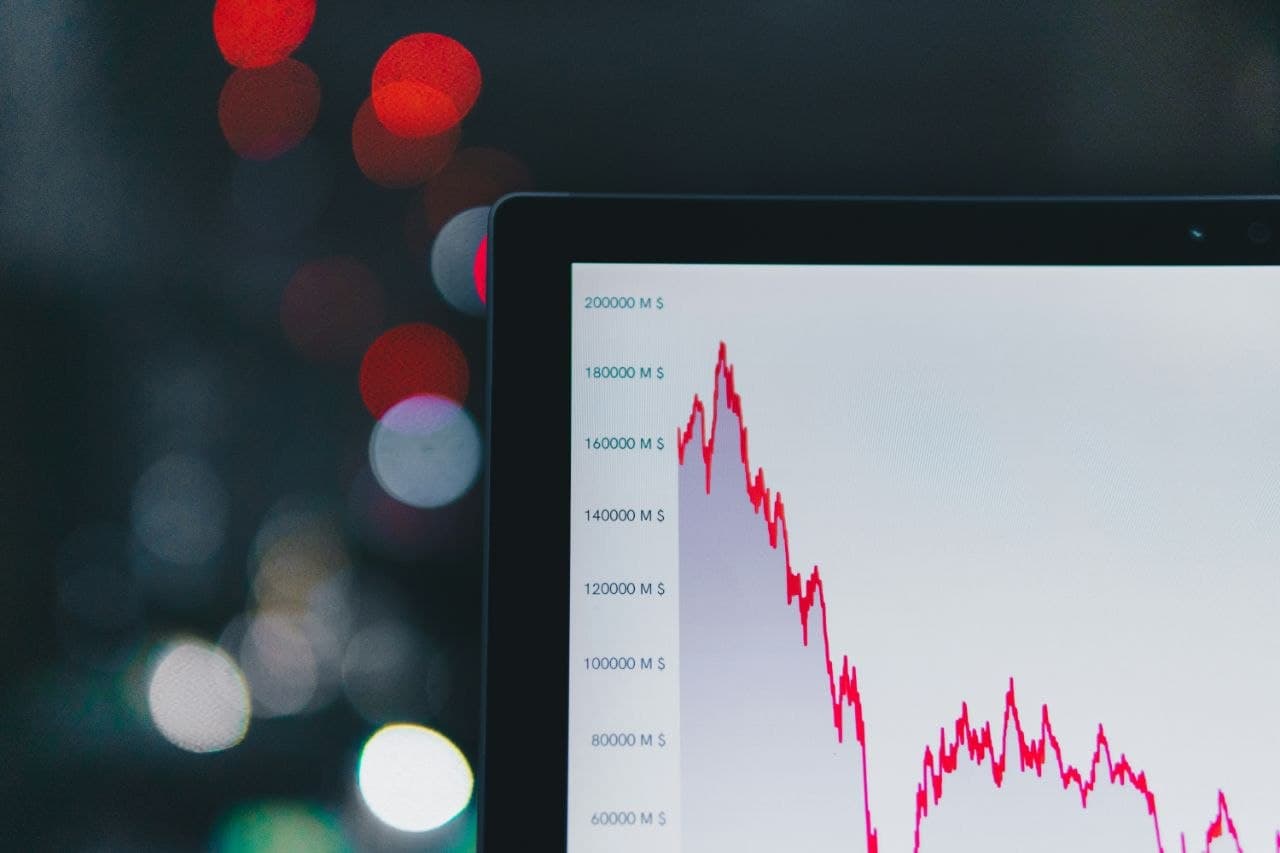
BSE Sensex trailing P/E drops to 20.2x — lowest since May 2020. FPIs have sold a record $42 billion in Indian equities since September 2024. Here’s what it means for investors thinking long-term.
Key Takeaways
- Valuation reset: The BSE Sensex trailing P/E has fallen to 20.2x — its lowest since May 2020. The index is down 13.7% since the start of this calendar year.
- Getting close to median: Current valuations are hovering just above the 30-year historical median of 19.9x. In past crises (2012 euro crisis, COVID-19), the P/E has fallen below this median to 16–18x range during peak FPI selloffs.
- Record foreign outflow: FPIs have sold a record $42 billion in Indian equities since the market peak in September 2024.
- Energy shock: A 50% spike in crude oil prices could lift raw material costs by ~25%, compressing non-financial corporate operating margins from ~16% to potentially 10% or lower.
- Earnings already weak: Index EPS grew just 1.4% year-on-year — weakest pace in five years, even before the current geopolitical shock.
- Macro downgrade: Goldman Sachs cut India’s 2026 GDP growth to 5.9% (down 1.1pp), raised CPI by 70bps, sees ~50bps of rate hikes.
- P/E may fall further: Analysts at Systematix expect the trailing P/E to slide to around 18x as equity prices adjust to slowing earnings.

The Bigger Picture: What History Suggests
When valuations compress toward their long-term median during intense foreign selling, long-term investors face a familiar question: is this fear offering a genuine opportunity, or is the market rational in its concern?
Historically, periods when the Sensex P/E has approached or dipped below its long-run median — during the 2012 euro crisis and COVID-19 crash of 2020 — have been followed by meaningful recoveries for investors who held through the volatility. The key qualifier: time horizon matters. For a 3-5 year investor, entering during periods of maximum fear has historically been rewarded.
The current situation carries distinct risks. Energy price shocks can erode corporate margins more durably than purely financial crises. The BFSI sector, which accounts for nearly 40% of India’s equity market, faces earnings downgrades from slowing credit growth and rising bad loans.

What This Means for Your Portfolio
For investors with a genuine long-term horizon (5+ years), the compression in Indian equity valuations is worth watching closely. Valuations at or below the historical median reduce the margin of safety that investors demand — but only if corporate earnings can stabilise.
The near-term risk is real: higher energy costs, tighter monetary conditions, and a weakening rupee create a challenging operating environment. The Nifty may not find a bottom until earnings downgrades are priced in and geopolitical uncertainty clarifies.
For systematic investors, a phased approach — deploying capital gradually as sentiment improves rather than calling a single bottom — is typically more robust than timing the market precisely.